
Section 1
1
Physics as a Science
Physics as a Science
At the end of this lesson you should be able to:
- Explain what Physics is.
- Explain what a Physics Law is.
- List the main areas of Physics.
2.1 Physics as a Science
The name of physics (φύσις physis or nature in classical Greek philosophy) comes from antiquity with the interest of the pre-Socratic philosophers to understand the world that surrounded them. Physics was part of natural philosophy that dealt with the exploration of natural phenomena. Other branches of philosophy were politics, rhetoric, aesthetics, logic, astronomy, biology, mathematics, ontology, epistemology, and metaphysics
Aristotelian physics (384–322 BC) was based on mental reasoning and logical deductions based on information acquired through the senses. Aristotelian physics not only described change and movement, but also tried to discover its principles and causes. The situation remained like this until the 16th century and progress was slow. Only astronomy achieved some developments based on the observation and measurement of the position of celestial bodies.
A radical change in the way of studying natural phenomena began with the works of Nicolaus Copernicus (1473-1543), Galileo Galilei (1564-1642), Isaac Newton (1647-1727), and others in the 15th and 16th centuries. Nicolaus Copernicus postulated the heliocentric model in which the planets revolved around the Sun. Galileo Galilei gave physics the method of investigation and knowledge of nature called the scientific method or experimental method. Isaac Newton established the foundations of classical mechanics and contributed a lot to the field of optics. Robert Boyle (1627-1691) established the practice of performing experiments in front of a learned audience and then publishing them in such a way that they were easily understood and repeated. This new method of philosophizing was used by the new academies: the Academia dei Lincei in Rome (1603), the Academia Naturae Curiosorum (later Leopoldina) in Schweinfurt (1652) and the Royal Society in London (1660).
Physics must be considered an exact science, that is, a human activity to generate knowledge about natural phenomena, whose main instrument is mathematics as a language for formulating propositions about the behavior of nature and whose certainty can be verified through experimentation. These propositions, once verified are part of the physical laws or laws of nature. Furthermore, these laws must allow us to explain the results of many other phenomena.
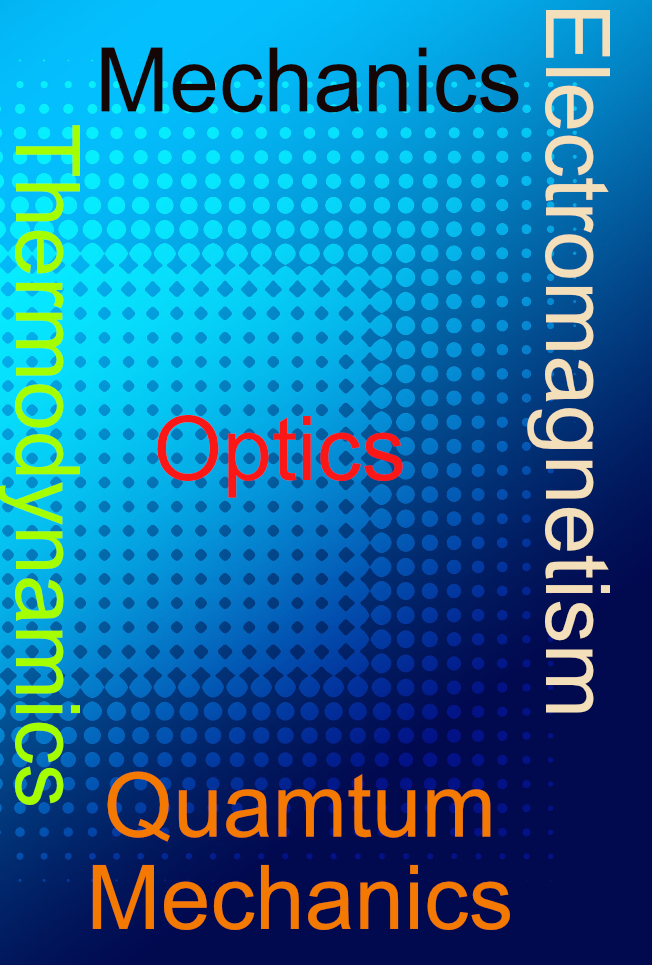
Until the beginning of the 20th century, the so-called classical era, physics was based on reasoning and observations using the senses. The shape, color and position of material objects was obtained using the sense of sight, occasionally aided by microscopes and telescopes. From here the branches of optics and mechanics were born. The temperature characteristic was initially obtained with the help of the sense of touch, and there the concepts of heat and cold were born, the origins of thermodynamics. The sense of hearing helped the origins of acoustics. Electromagnetism, without being closely linked to the senses, although responsible for all of the above, did not appear as an organized science until the end of the 19th century. So until the end of the 19th century, physics consisted of the following branches of knowledge:
1. Optics. Study the phenomena related to light.
2. Acoustics. Study of phenomena related to sound.
3. Mechanics. Mechanics uses Newton’s laws to describe and explain the motion of fluids and particles, including free fall associated with gravity. For this reason gravitation was part of mechanics.
4. Thermodynamics. Study the phenomenology associated with temperature and heat transfer.
5. Electricity and Magnetism. The phenomena associated with electric charge and magnets is studied in electricity and magnetism.
The experimental methods achieved in the last years of the 19th century and the beginning of the 20th century made it possible to formulate the Quantum Theory of the structure of matter and a new Relativistic Theory of Mechanics.
These new theories have provided a more unified framework for describing and understanding the world around us. It has also become clear that physics is a science in continuous evolution. So we can say that:
Physics is a science that studies natural objects, their structure, their behavior and interaction with other natural objects.
A Chronological Development of Mechanics.
| “Mechanics” (Μηχανκα) is a mechanics textbook, attributed to Aristotle, that focuses on the analysis principles of motion and simple machines. | 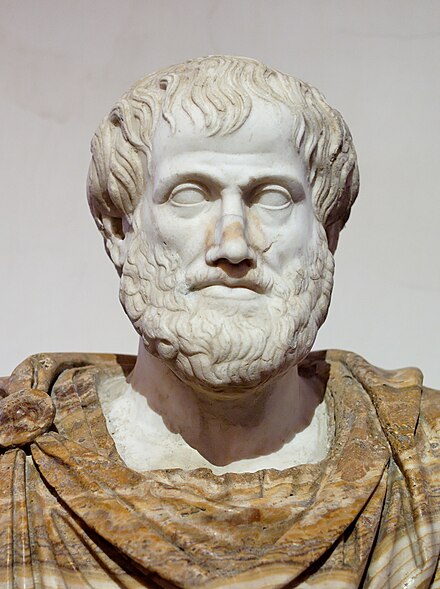 Aristotle 384 – 322 BC Aristotle 384 – 322 BC |
| Archimedes in his On the Equilibrium of Planes or on the Centres of Gravity of Planes discussed the principle of the lever. His work was centered on Statics. | 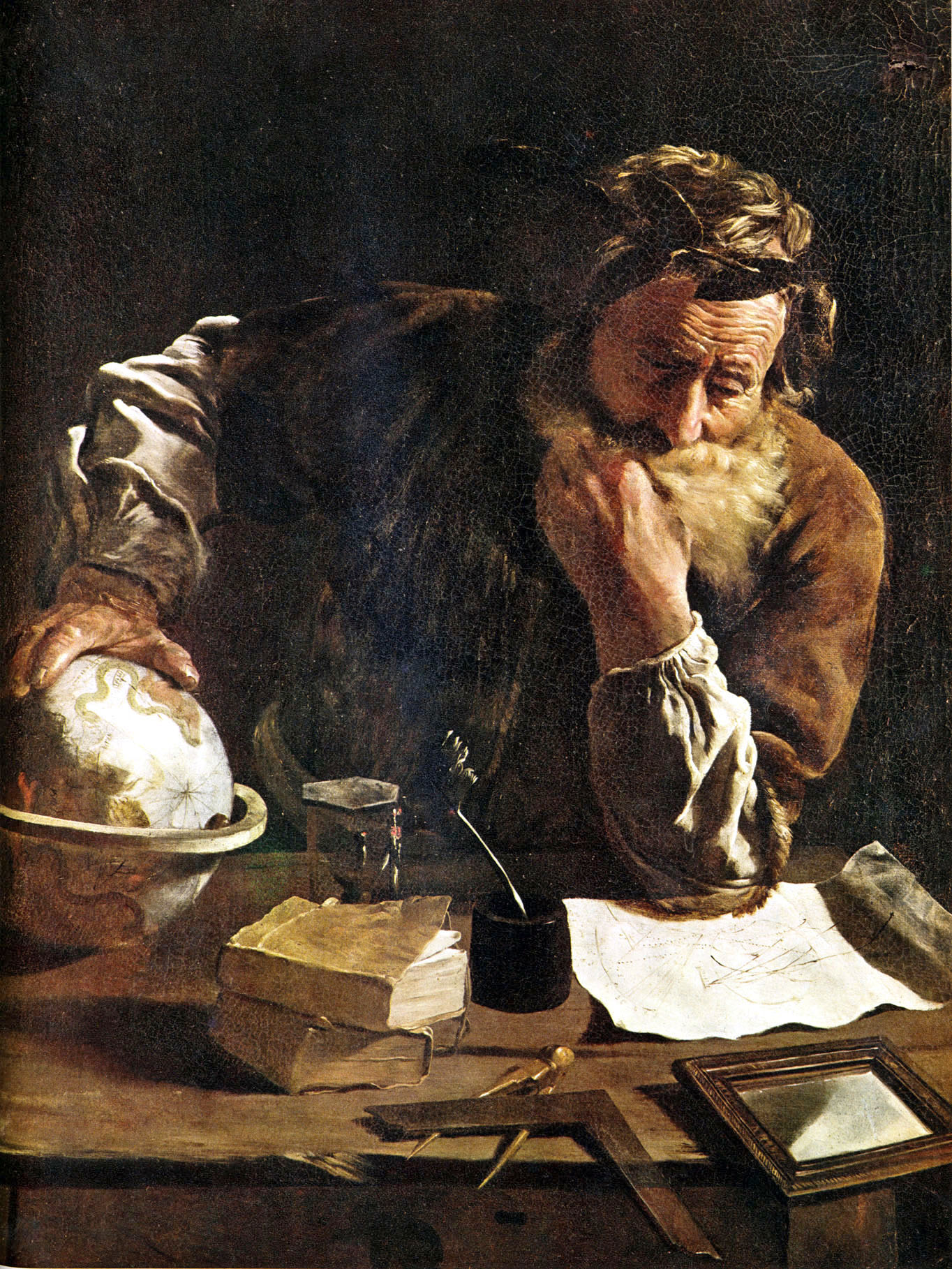 Archimedes 287 – 212 BC. Archimedes 287 – 212 BC. |
| Leonardo originally outlined the ‘rules’ of sliding friction in his notebooks in 1493. |  Leonardo da Vinci 1452 – 1519 Leonardo da Vinci 1452 – 1519 |
| Following Archimedes, turned Statics into a deductive science (1586). | 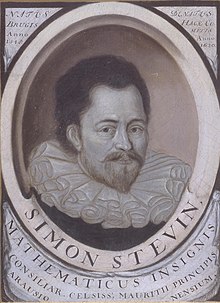 Simon Stevinus 1548 – 1620 Simon Stevinus 1548 – 1620 |
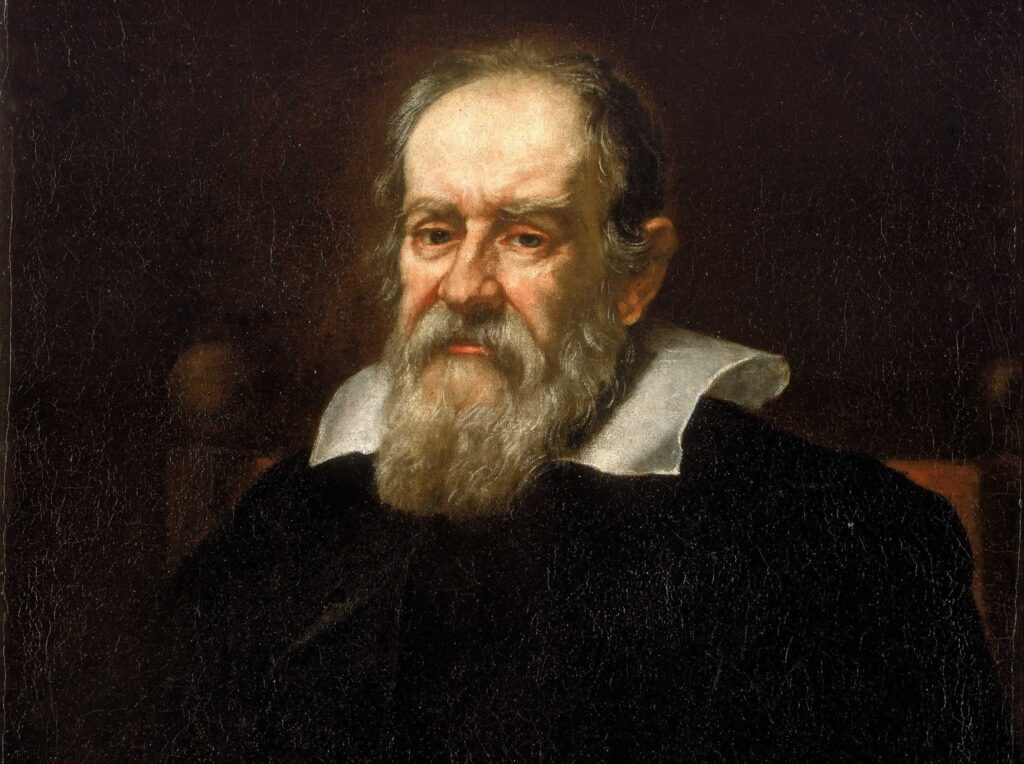
| Among other things, he created Galilean transformation (1638). | 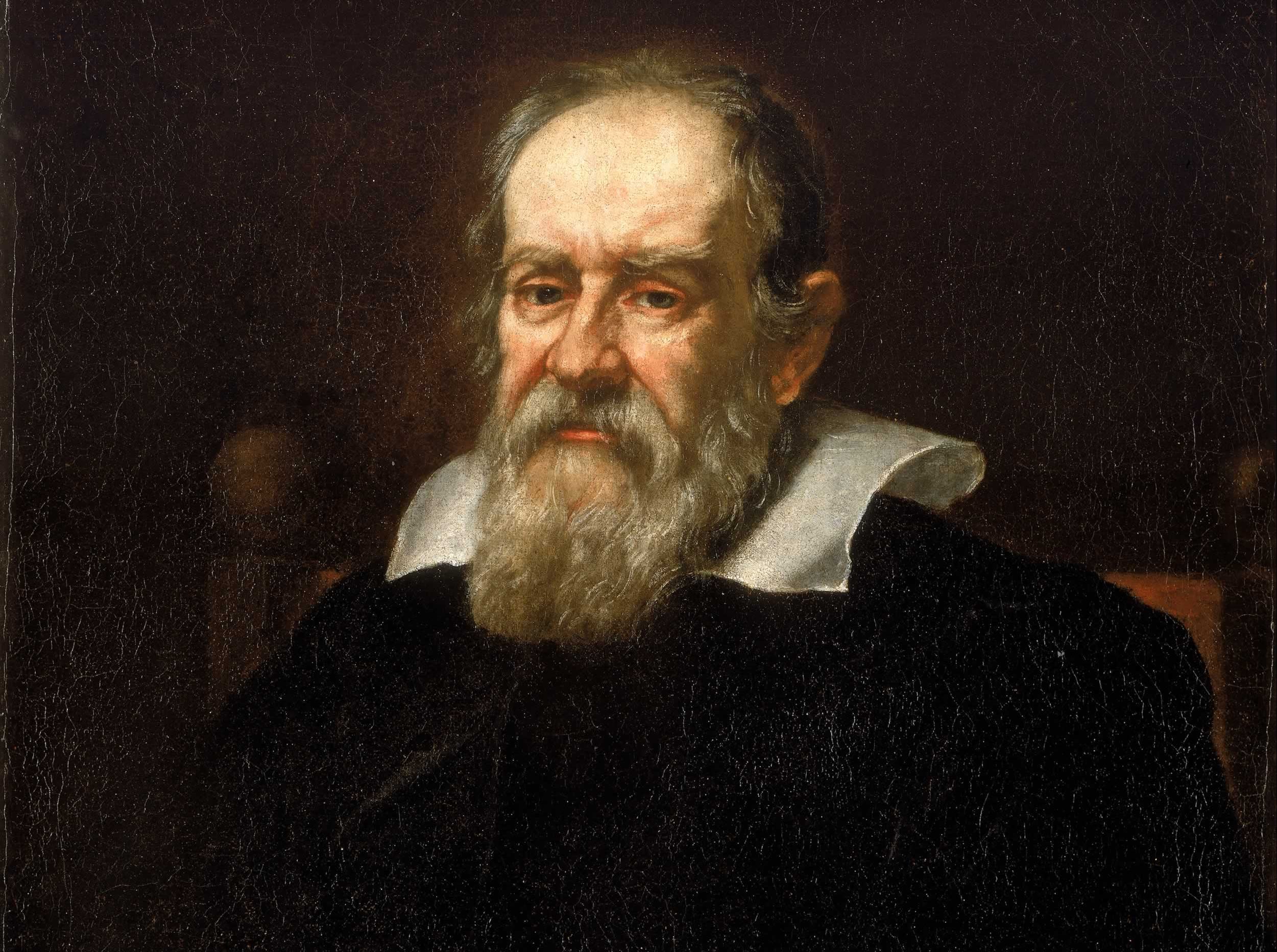 Galileo Galilei 1564 – 1642 Galileo Galilei 1564 – 1642 |
| Revealed a preliminary version of the momentum conservation law (1644). | 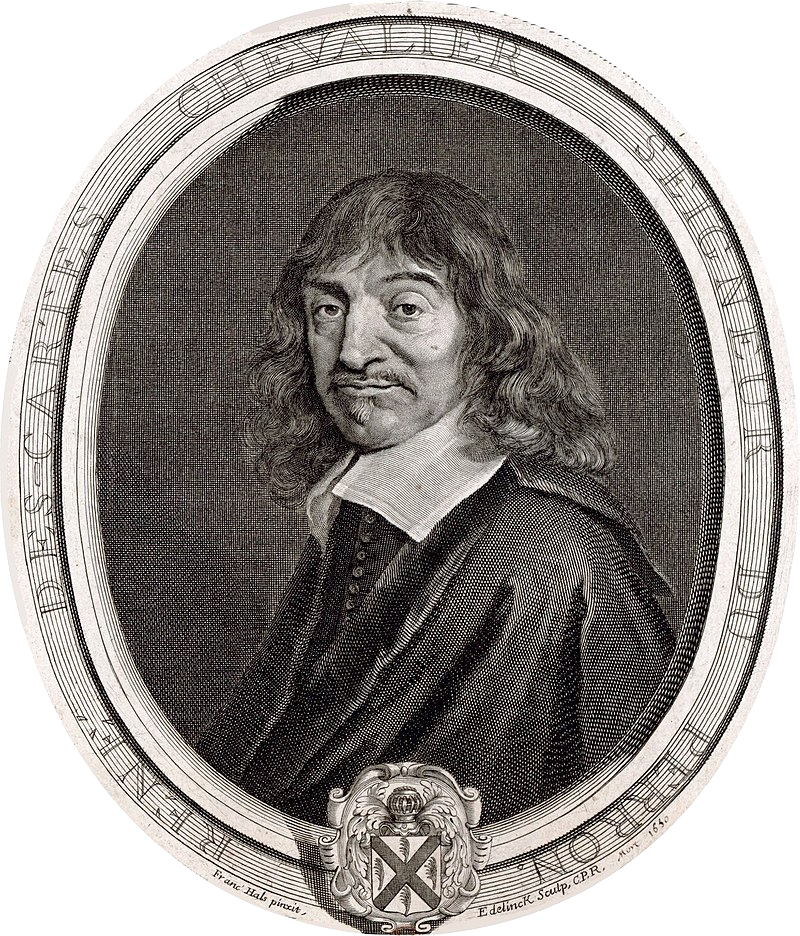 René Descartes 1596 -1650 René Descartes 1596 -1650 |
| Published his Philosophae Naturalis Principia Mathematica (1687). | 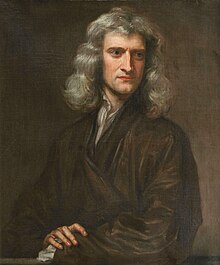 Isaac Newton 1642 – 1727 Isaac Newton 1642 – 1727 |
| In the Project d’une nouvelle mécanique treated mechanics in terms of composition of forces (1687). | 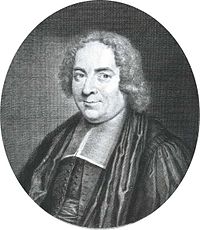 Pierre Varignon 1654 – 1722 Pierre Varignon 1654 – 1722 |
| Added two further rules to Newton’s laws of motion to extend them from particles to rigid bodies. In 1760 published “Theoria motus corporum solidorum seu rigidorum”. | 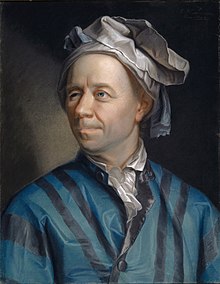 Leonhard Euler 1707 – 1783 Leonhard Euler 1707 – 1783 |
| Introduced the concept of generalized forces and D’Alembert’s principle (1743). | 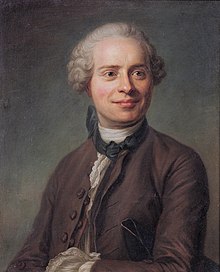 Jean le Rond D’Alembert 1717 – 1783 Jean le Rond D’Alembert 1717 – 1783 |
| Presented his Lagrange’s Equations of Motion in Mécanique Analytique (1788). | 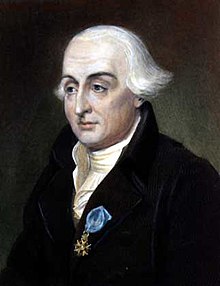 Joseph Louis Lagrange 1736 – 1813 Joseph Louis Lagrange 1736 – 1813 |
| Worked his Hamilton-Jacobi equation (1821). | 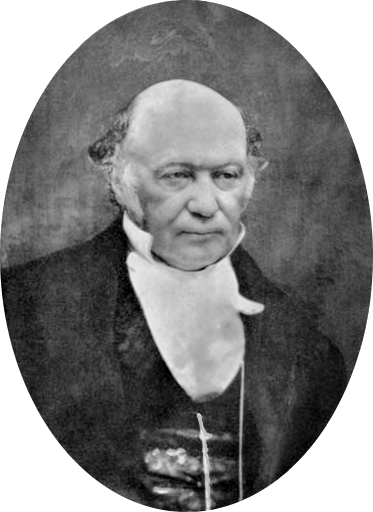 William Rowan Hamilton 1805 – 1865 William Rowan Hamilton 1805 – 1865 |